
Researchers from North Carolina State University have identified a micro RNA (miRNA) that could promote hair regeneration. This miRNA — miR-218-5p — plays a vital role in regulating the pathway involved in follicle regeneration and could be a candidate for future drug development.
RNA stands for ribonucleic acid, a long, single-stranded chain of cells that processes protein and is sometimes involved in the transmission of genetic information.
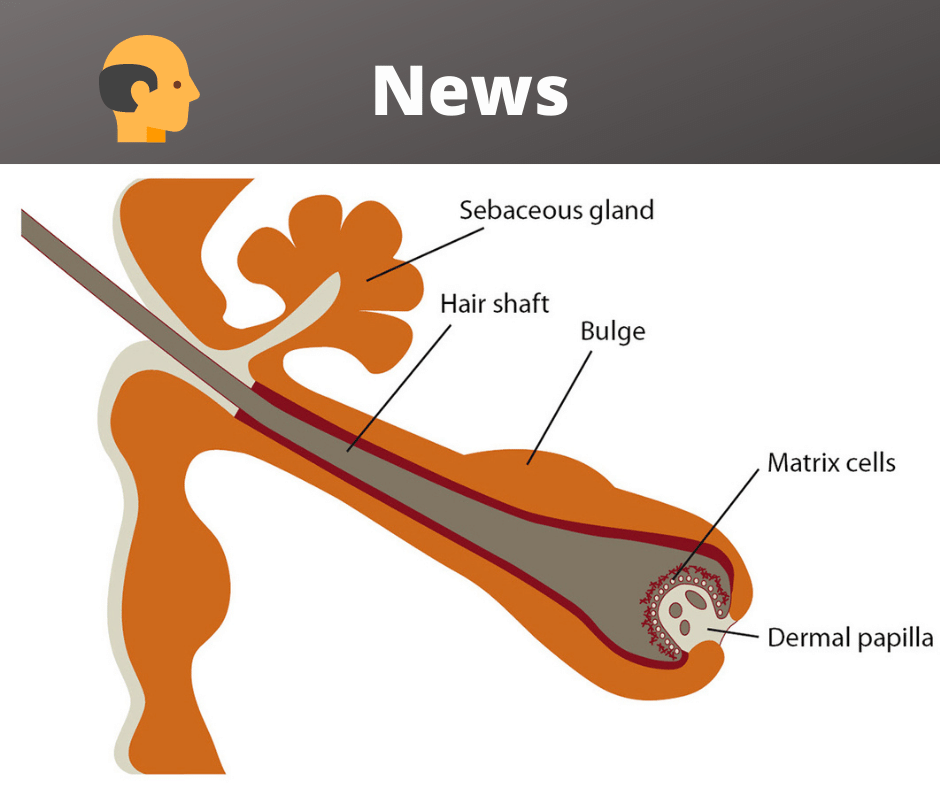
Dermal papillae cells (DP) and hair follicles
Hair growth depends on the health of the dermal papilla cells (DP cells), which regulate the hair follicle’s growth cycle.
Based on this, researchers have proposed that if they can somehow replenish the DP cells in the areas of hair loss, it may be possible to regenerate hair in those areas.
In their study, the researchers found that mice treated with 3D DP cells regained 90 percent of their hair coverage within 15 days. Some mice were treated with minoxidil, a medication traditionally frequently used to treat hair loss. The minoxidil group got only 35 percent of their fur coverage back in 15 days.
Interestingly, the DP cells exert their effects not only on the area where they are injected but also on the surrounding areas.
The role of miRNA
MiRNA stimulates the pathways that help in the growth of hair follicles. The study found that when the levels of miR-218-5p go down, the hair follicles lost their function.
Explaining the importance of the study, Dr Ke Cheng, one of the lead researchers of the study, said in a news release, “Cell therapy with the 3D DP cells could be an effective treatment for baldness, but you have to grow, expand, preserve and inject those cells into the area. MiRNAs, on the other hand, can be utilised in small molecule-based drugs. So potentially, you could create a cream or lotion that has a similar effect with many fewer problems.”
However, further work is needed on the miR-218-5p microRNA to understand whether its use is compatible with treatment.
Got Questions?
Schedule a call with a qualified practitioner about your hair loss.